


 ertioli


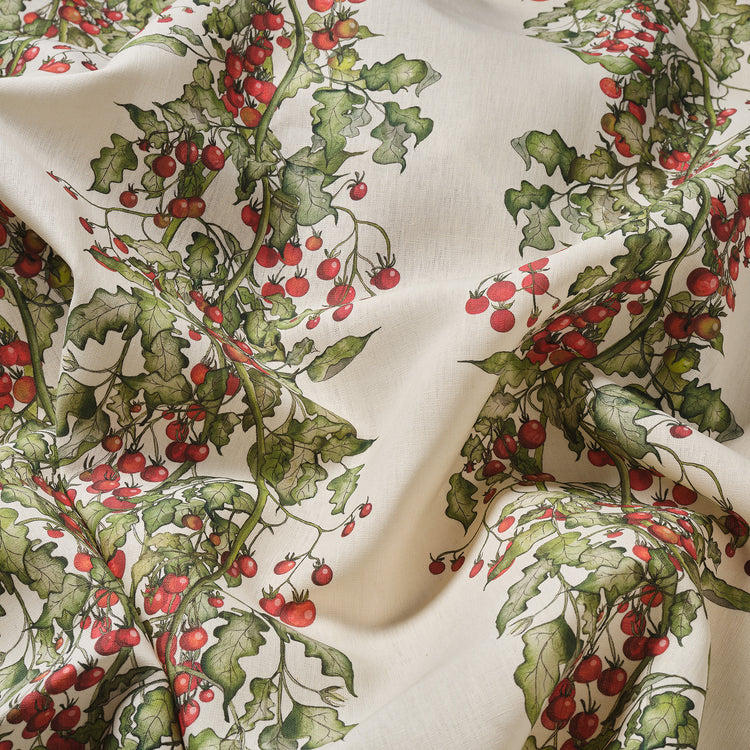
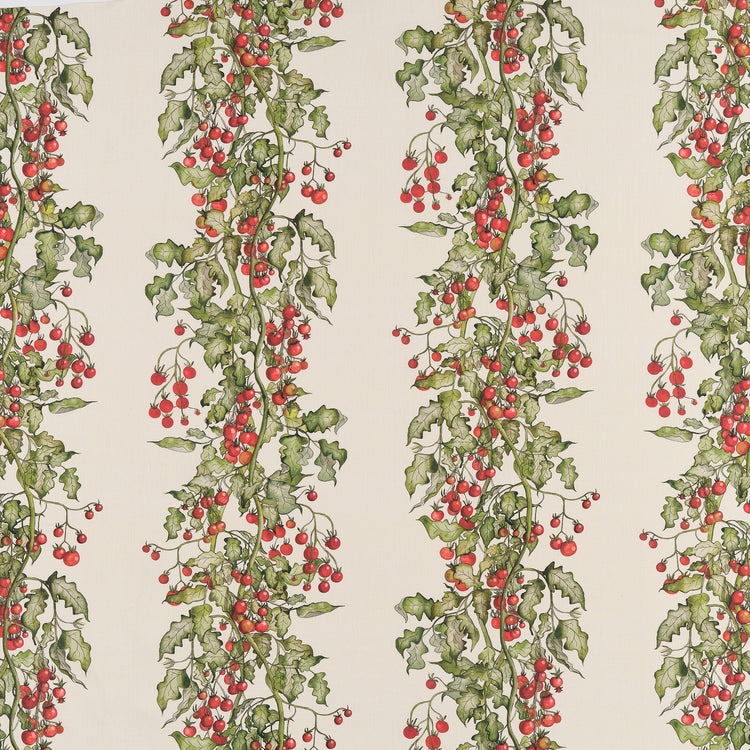
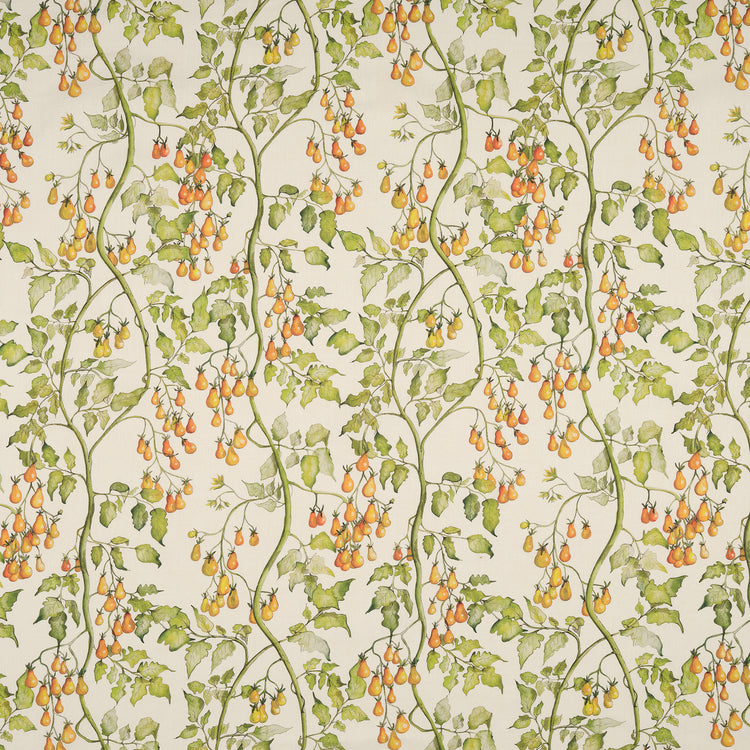
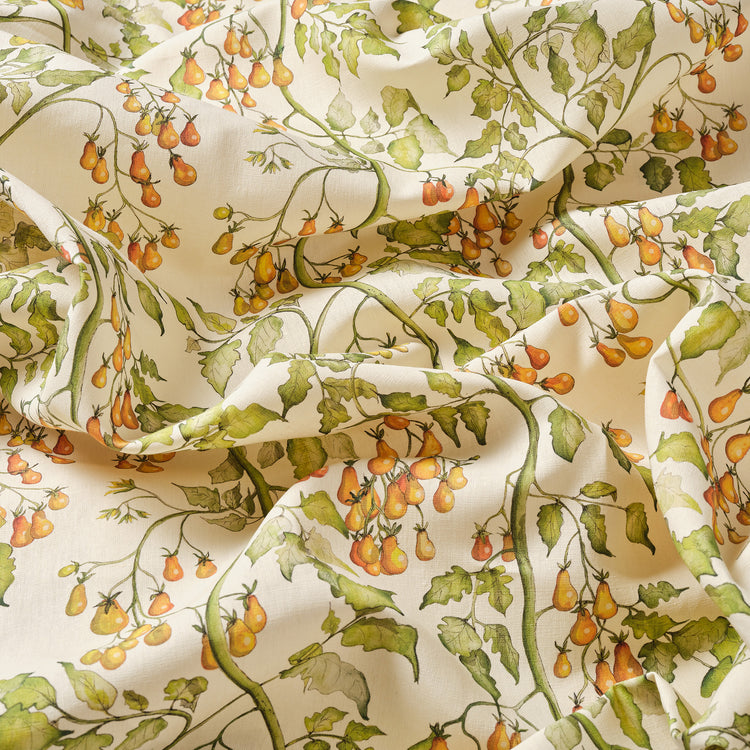
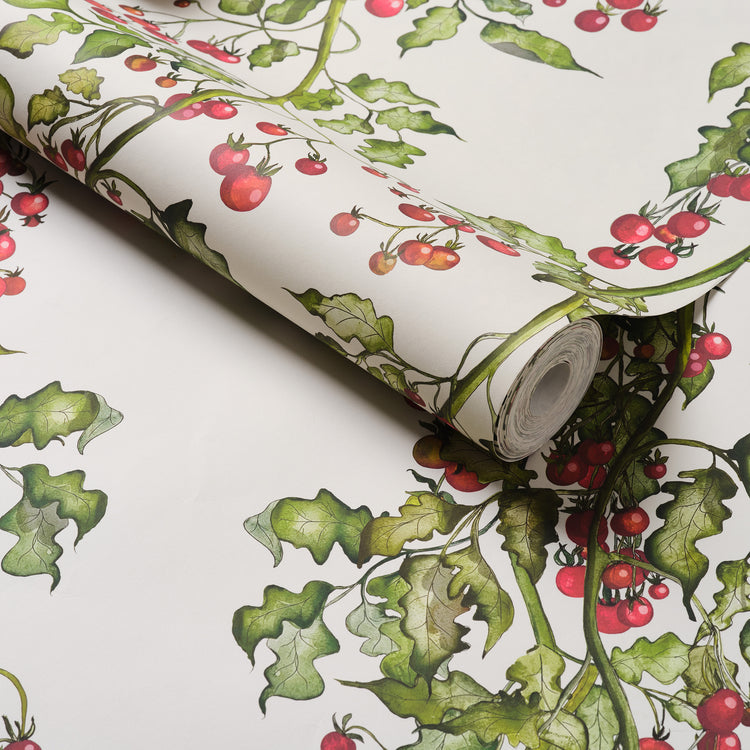
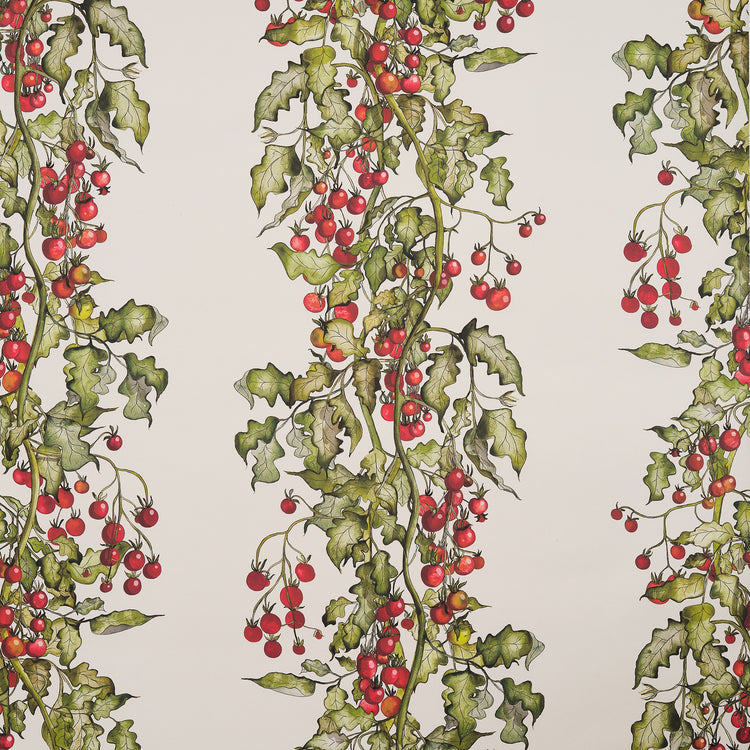
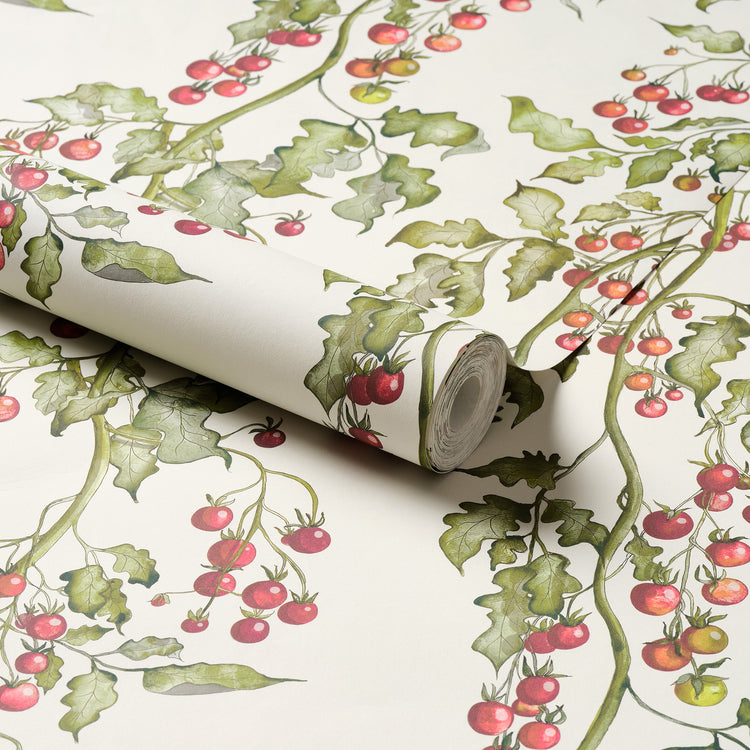
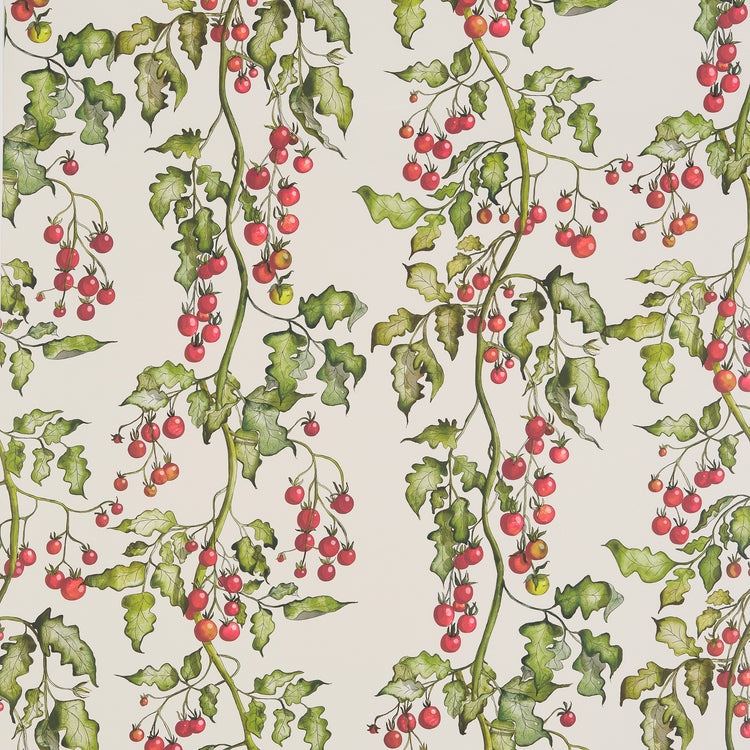
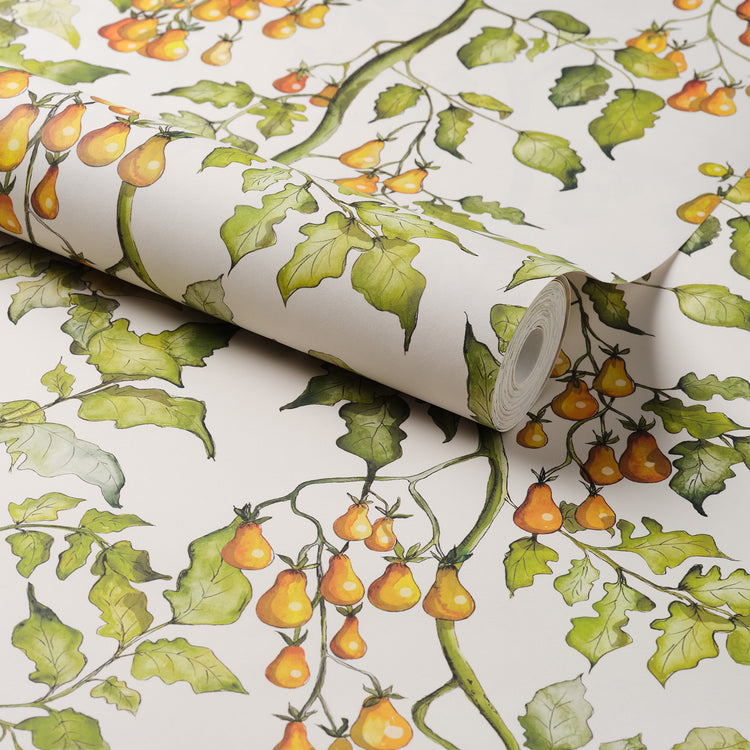
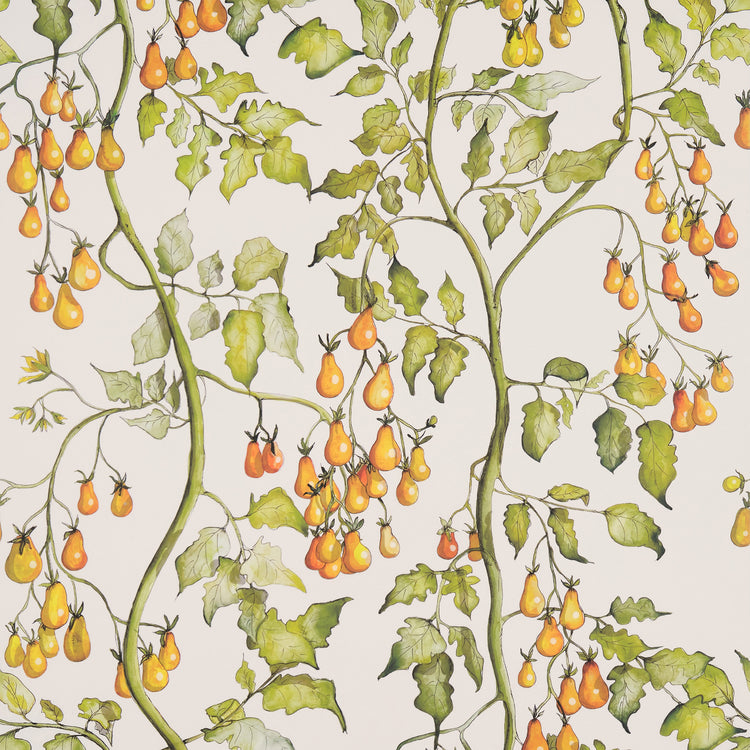


FROM POISON TO PASSION
The journey of the acidic pea sized berry of an indigenous South American vine to one of the most important ingredients in today's global cuisine is an amazing story.
It was encountered by the Spanish during their conquest of the Aztecs in the early 16th century who bought it back to Spain from Mexico. Initially it was grown solely for ornamental purposes in the gardens of the Spanish aristocracy loved for its jewel like fruit and wonderfully aromatic leaves. The Spanish adopted the Aztec name 'tomati' and as it gradually spread to France and Italy it acquired more romantic names, ‘apple of love’ (pomme d’amour ) and ‘the golden apple’ (pommodoro) respectively.
Despite these glorious and seductive names, it took time for the tomato to be fully embraced for its culinary magnificence.
Classified as a nightshade and a relative of the poisonous belladonna it was understandably viewed with suspicion. This was exacerbated by the fact that its acidic juice reacted with the pewter of the plates, leading to contamination of food by lead.
Starting with the Aztecs, the cultivation of the wild tomato Solanum Pimpinellifolium through time has led to the most wonderful diversity of varieties, small to vary large, red, yellow, black, green and even striped.
These heritage cultivars have been nurtured by communities over the years, collecting seeds from the most successful plants ensuring a plant that flourishes in their soil, terrain and climate, and stars on their plate. A wonderful example is San Marzano, a large plum tomato grown around Naples and one of the only two designated variety of tomatoes permitted on the true Naples pizza. And it was the explosion of the popularity of the pizza in the early 19th century that bought the tomato into the everyday lives of the many.
San Marzano is considered to be commercially the most important tomato of all time along with the Rudgers tomato of Cambell’s soup fame. Immortalised by Andy Warhol with his image of the now iconic soup tin, the tomato has helped to shape history.

THE IMPORTANCE OF WILD GENETICS IN AGRICULTURE AND MODERN PLANT BREEDING
The story of course does not stop there, a genetic mutation that happened by chance in the 1930’s has been deliberately bred into almost all modern tomatoes as it gave uniform ripening and made them a luscious scarlet.
However, the loss in genetic diversity has come at a cost with diminished flavour and a plainness that does not inspire the eye or the palate. This is now encouraging a love of the wonderful diversity, history, flavour and stories of heritage tomato cultivars, with their varied and precious genetics being of vital importance for the future of this wonderful berry.
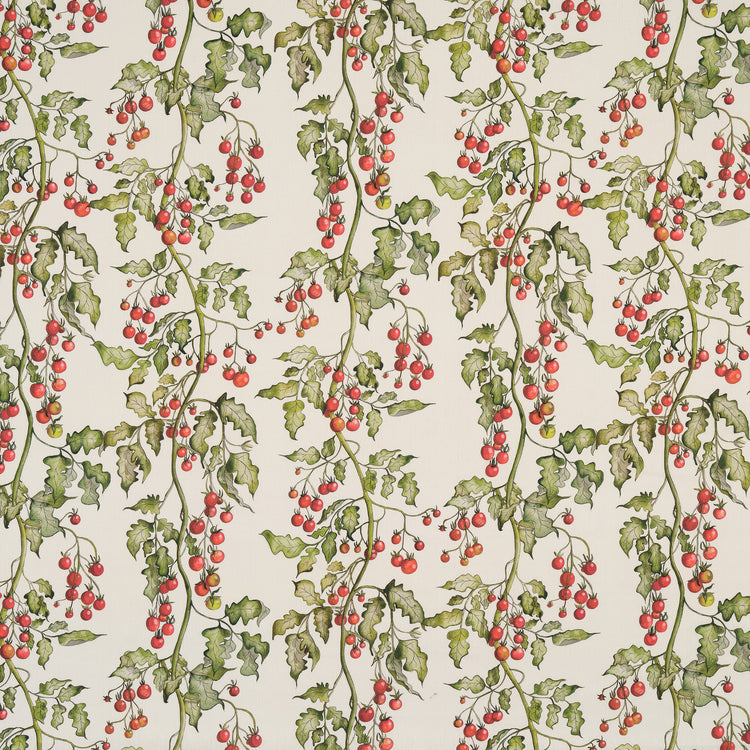
The wild tomato vine, Solanum pimpinellifolium (the currant tomato), is one of the most valuable genetic resources available to modern plant breeders. As the closest wild ancestor of the cultivated tomato, it retains a rich diversity of genes that have been lost through centuries of domestication.
These genes confer natural resistance to many diseases and environmental stresses, including bacterial and fungal pathogens, and can be introduced into cultivated tomatoes through conventional breeding. By widening the narrow genetic base of modern tomato varieties, wild tomato species provide a vital reservoir of natural immunity, helping breeders develop crops that are more resilient, productive and better adapted to the challenges of climate change and emerging plant diseases.

THE BERTIOLI KITCHEN GARDEN SCENT
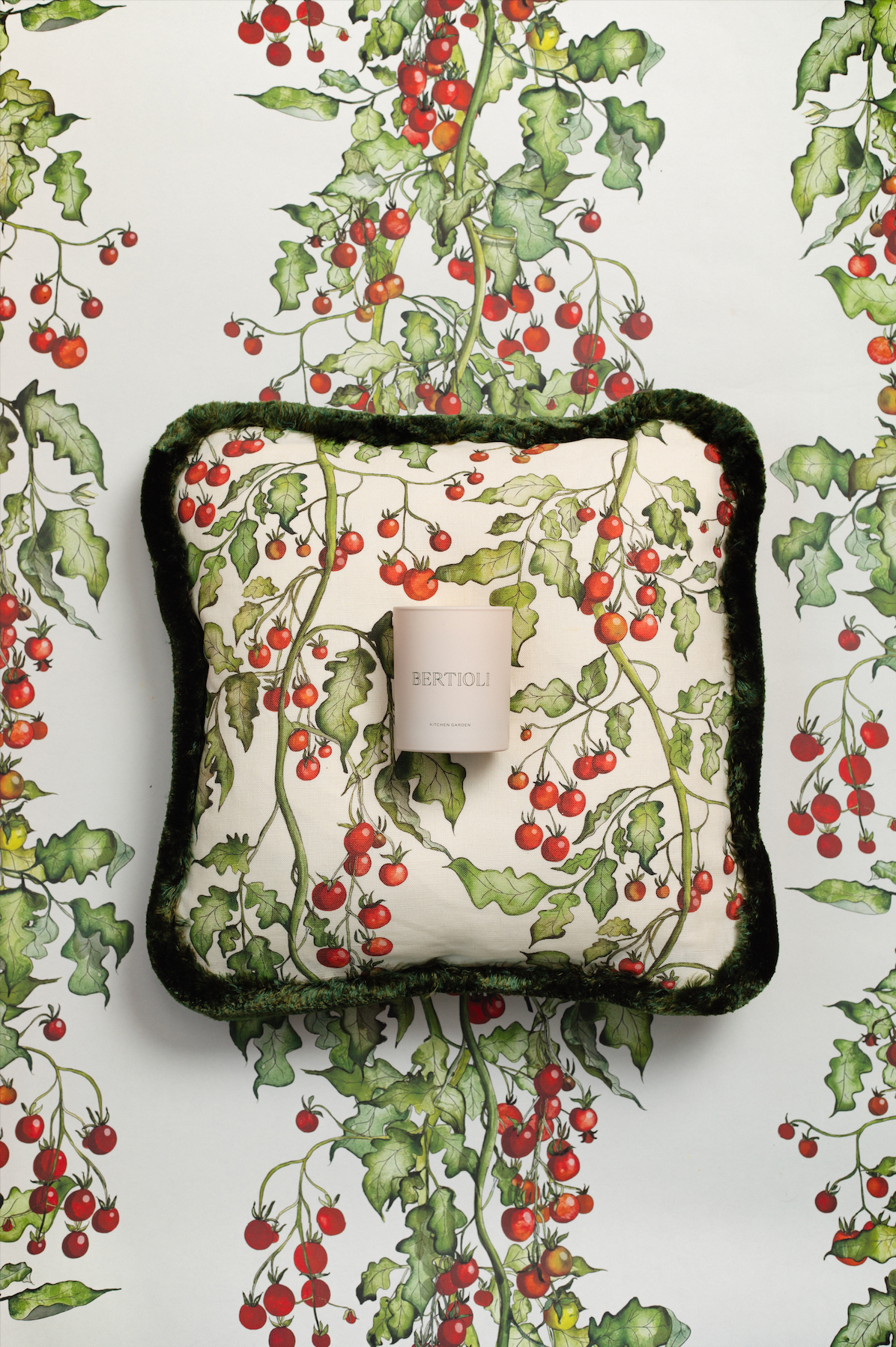
The Kitchen Garden scent is intended to capture the experience of walking through the productive kitchen gardens at Thyme in late spring and summer.
Top notes: Blackcurrant leaf, rhubarb and tomato vine.
Heart notes: Baby lettuce, rocket and a subtle peppery hint of mustard leaf.
Base: Freshly dug, mineral-rich soil.
Rather than smelling sweet or fruity, it is green, verdant and sophisticated. The tomato vine provides that unmistakable scent of rubbing your fingers over the fuzzy stem of a tomato plant in a warm greenhouse. Blackcurrant leaf contributes a crisp, almost cassis-like freshness, while rhubarb adds brightness without becoming sugary. The leafy greens introduce a cool, vegetal quality, and the earthy base grounds everything with the scent of damp soil after harvesting.

